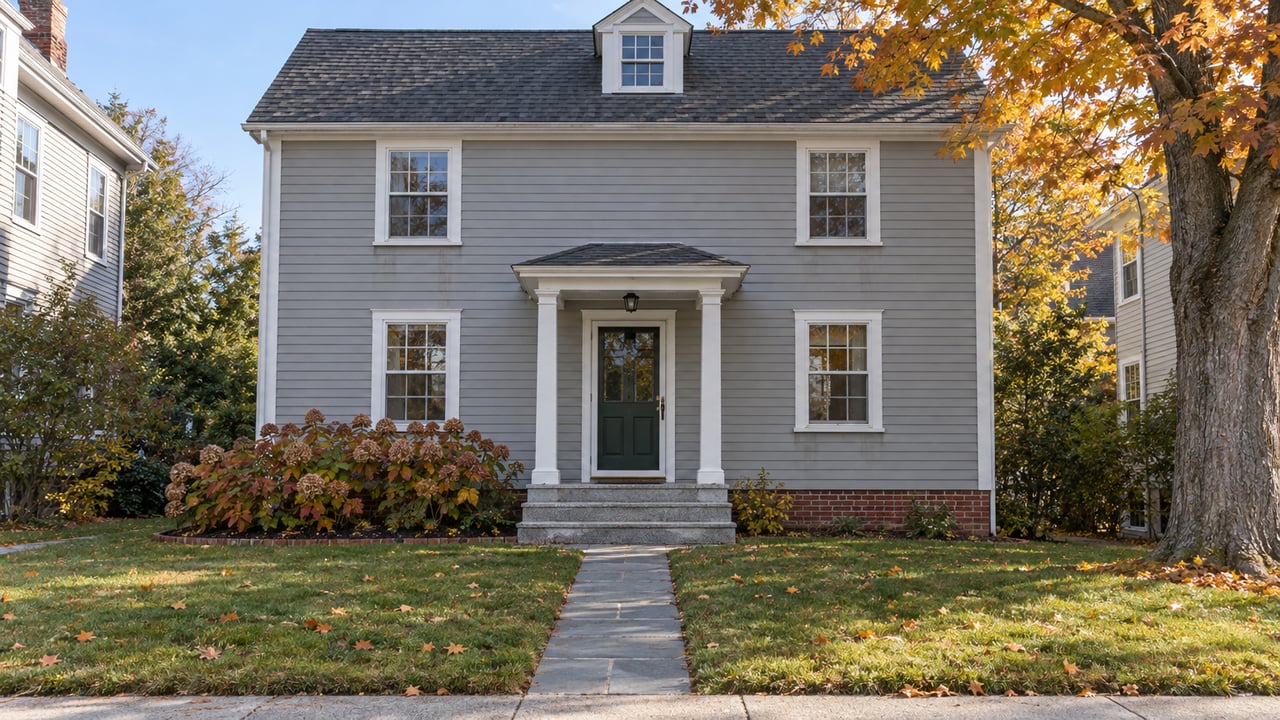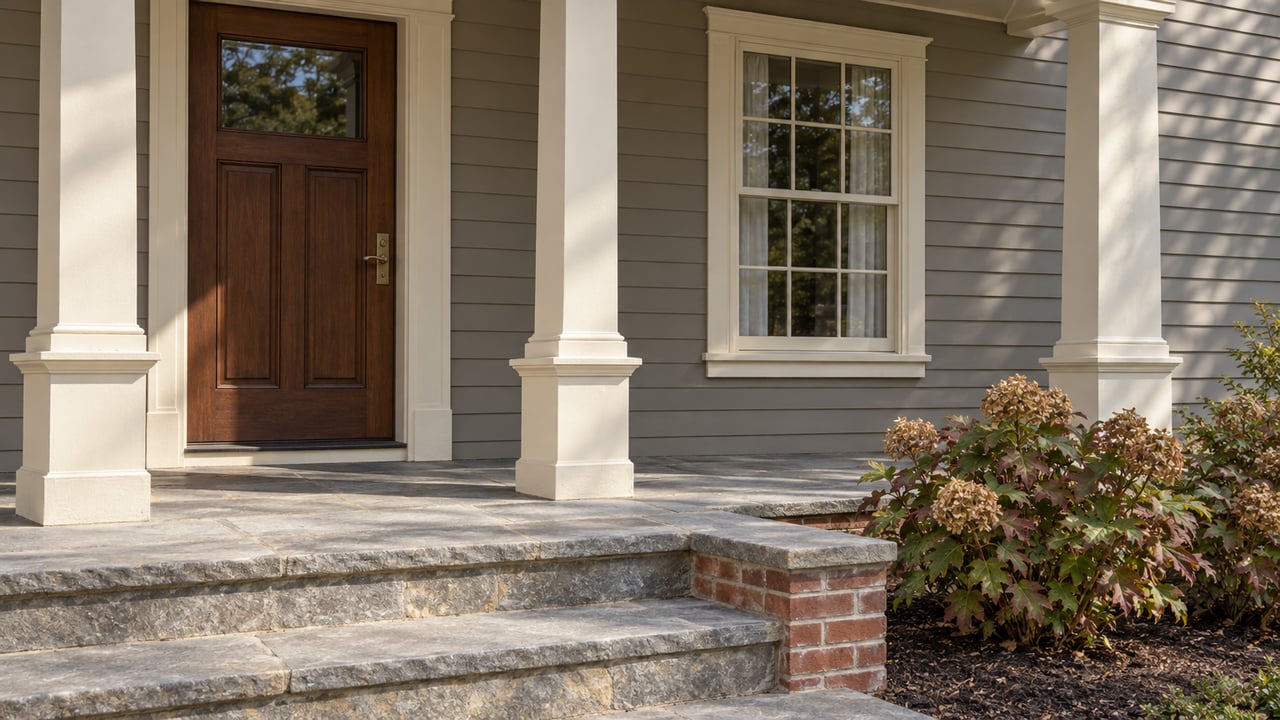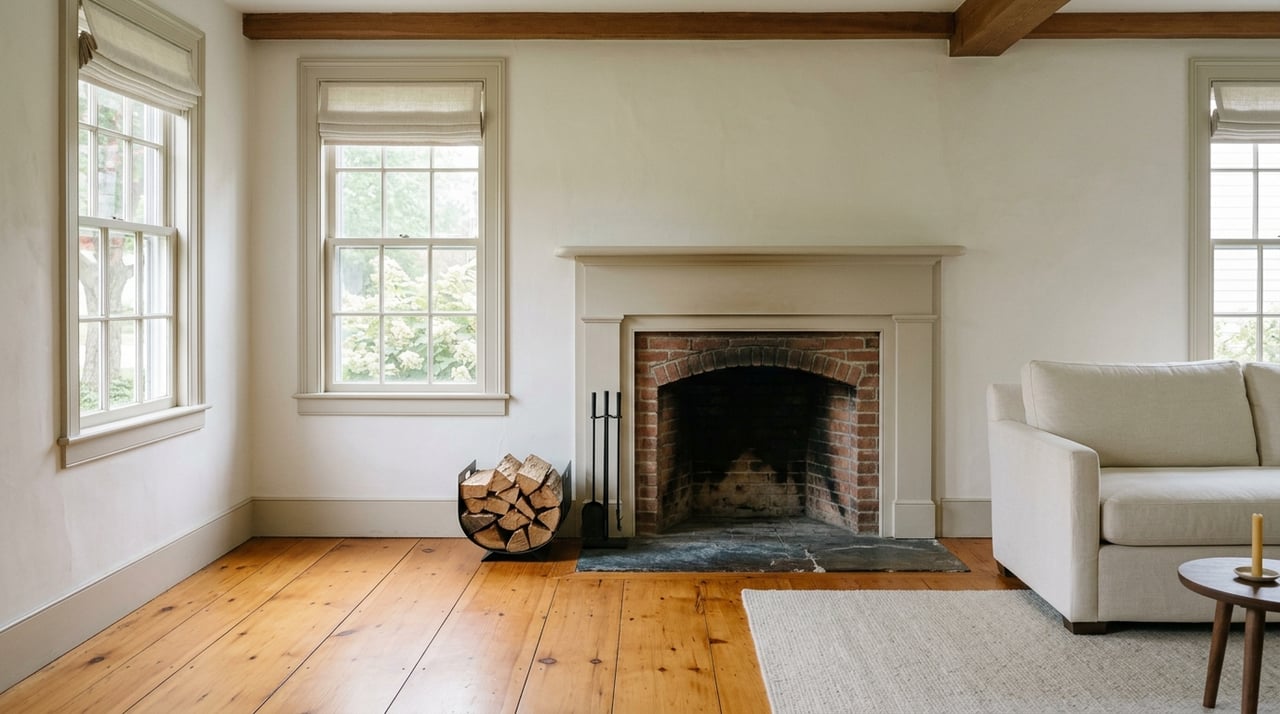
Thinking about buying a historic home in Ipswich? It can be an exciting way to own a piece of Massachusetts history, but it also comes with questions you do not want to answer after closing. If you are drawn to antique character, walkable village streets, and coastal New England charm, this guide will help you understand what to check before you buy and what ownership may really involve. Let’s dive in.
Why Ipswich draws historic-home buyers
Ipswich has one of the richest collections of older homes in Massachusetts. The town says it has more than 60 First Period houses, meaning major structures built before 1725, many of which were later modified over time.
The town also maintains an updated historic-building inventory. According to Ipswich planning and historical resources, the town has seven National Register Historic Districts and 882 individually inventoried historic sites, buildings, or structures.
For you as a buyer, that means historic homes are not unusual in Ipswich. They are a meaningful part of the local housing stock, which makes it especially important to understand the difference between age, historic significance, and actual review requirements.
What makes a home historic
A home can be considered historic for different reasons. It may simply be old, it may have architectural importance, or it may have a formal designation tied to local or national preservation programs.
That distinction matters. The Massachusetts Historical Commission explains that National Register listing recognizes historic significance, but by itself it does not restrict a private owner using private funds unless another local rule applies.
In Ipswich, local rules are often the key issue. The town’s Historic Commission resources and 2023 inventory use codes that can help identify whether a property may be subject to the Architectural Preservation District, demolition review, preservation agreements, or National Register status.
Ipswich rules to check before you buy
Architectural Preservation District review
Ipswich’s Architectural Preservation District, often called the APD, is the town’s main layer of exterior review in historic areas. The district includes much of the town center and areas such as South Green, the route to Town Wharf, East and High Streets, North Main Street, and Meeting House Green.
If a home is within the APD, some exterior changes may require review. The APDC reviews demolition, substantial additions, new construction, and certain exterior alterations for buildings in the district.
That does not mean every project needs approval. The bylaw exempts routine maintenance, interior alterations, exterior colors, storm windows and doors, gutters, downspouts, shutters, and some repairs or improvements that do not require a building or demolition permit.
The bigger concern is substantial exterior work. In the APD, a project may trigger review if it costs at least 50% of the structure’s assessed value or materially changes the building’s shape, height, proportions, scale, or relationship to nearby structures.
For homes built before 1900 in the APD, the review process can be especially relevant because those properties are treated as contributing buildings. Replacing windows, doors, trim, roofing, or siding with materials or designs that substantially differ from what is there now can also lead to formal review and a public hearing.
Demolition Review Bylaw
Ipswich also has a Demolition Review Bylaw that can affect older properties. The bylaw defines a significant building broadly and includes structures built before 1915, properties listed on or eligible for the National Register, and properties protected by preservation agreements.
In the APD, the APDC handles demolition-review authority for buildings built before 1900. If you are considering major removal or rebuilding down the road, this is not something to gloss over during your due diligence.
Questions to ask before making an offer
When you tour a historic home, charm can be obvious right away. What is less obvious is whether past work was approved, which materials are original, and what future projects might involve.
Before you commit, ask questions that match Ipswich’s local review structure and the realities of older construction:
- Is the home inside the APD?
- Is it subject to demolition review?
- Is there a preservation agreement tied to the property?
- Have prior exterior changes been approved by the town when required?
- Which features are original, repaired, or later replacements?
- Have there been issues with roofing, chimneys, drainage, foundation movement, or water intrusion?
- Are there lead reports, risk assessments, or compliance letters?
- Would your planned exterior work likely require a public hearing?
These questions can help you understand not just the house you are buying, but the process you may inherit with it.
Why inspection matters even more
An independent home inspection is important in any purchase, but it is especially important with a historic property. Older homes can have deferred maintenance, layered repairs from different eras, and hidden issues behind walls, floors, or finishes.
A standard inspection typically looks at the structure, exterior, roof, plumbing, electrical systems, HVAC, interior spaces, insulation, ventilation, and fireplaces. Depending on the property, buyers may also consider tests for mold, radon, lead paint, or asbestos.
If possible, attend the inspection yourself. It is one of the best chances you will have to see the home through a practical lens instead of an emotional one.
Lead paint is a major issue
In Ipswich, many historic homes were built long before 1978, so lead paint should be part of your planning. Massachusetts states that homes built before 1978 may contain lead, and the EPA notes that the older the home, the more likely it is to have lead-based paint.
Massachusetts law requires sellers and real estate agents to provide the Property Transfer Lead Paint Notification before a purchase-and-sale agreement for homes built before 1978. If a child under six will live in the home, the owner must have the property deleaded or brought into interim control within 90 days after taking title.
This is not just a disclosure issue. If contractors disturb lead-based paint in a pre-1978 home, lead-safe work practices are required, which can affect your renovation scope, timeline, and budget.
Expect maintenance to be more deliberate
Historic-home ownership usually rewards planning over impulse. Ipswich’s preservation guidance recommends careful planning before work begins, and it notes that archaeological resources should be considered when excavation is involved.
That is one reason small projects can become more layered than buyers expect. A straightforward idea like reworking an entry, replacing siding, or changing windows may involve design compatibility, permit questions, and possibly local review.
Ipswich’s design guidance also focuses on how a structure relates to its site. Height, scale, proportions, and the placement of garages or accessory buildings can all matter when exterior work is reviewed.
Moisture and drainage deserve extra attention
Water management is one of the most practical concerns in older houses. Guidance cited in the research report notes that grading and foundation drainage are important to keeping a foundation dry, and that window and door penetrations are common sources of moisture problems.
When you evaluate a historic home, pay close attention to:
- Roof age and condition
- Flashing around rooflines and chimneys
- Basement dampness or staining
- Drainage away from the foundation
- Signs of past water intrusion
- Condition of windows and doors
- Ventilation in attic and basement areas
These are not glamorous details, but they can have a major impact on long-term costs and comfort.
A smart buying strategy for historic homes
Buying a historic home in Ipswich tends to go more smoothly when you slow the process down just enough to verify the details. Character is easy to fall in love with. Regulations, maintenance needs, and lead or moisture issues require a more disciplined review.
A practical approach usually includes four steps:
- Confirm the property’s status in the town’s historic resources.
- Review whether the home is in the APD, subject to demolition review, or covered by a preservation agreement.
- Inspect carefully, with added attention to lead, drainage, roofing, chimney condition, and foundation or moisture concerns.
- Budget for specialized work and possible review timelines before you finalize your numbers.
That kind of preparation helps you make a decision with open eyes. It can also protect the experience you are hoping for, which is owning a home with real history while avoiding preventable surprises.
If you are exploring Ipswich homes and want clear, steady guidance through the process, Leeman & Gately can help you evaluate properties, ask the right questions, and move forward with confidence.
FAQs
What makes a home historic in Ipswich, MA?
- A home may be historically notable because of its age, architecture, or formal designation, but those are not always the same. In Ipswich, buyers should check whether a property is simply older, listed in a historic inventory, or subject to local rules like the APD or demolition review.
Does National Register status restrict changes to a home in Ipswich?
- Not by itself in most private-owner situations using private funds. The bigger issue is whether local Ipswich rules, such as the Architectural Preservation District bylaw or demolition review, also apply.
What is the Architectural Preservation District in Ipswich?
- The APD is Ipswich’s local exterior-review district for historically significant areas. It can affect demolition, additions, new construction, and substantial exterior alterations within covered parts of town.
Do all repairs on an Ipswich historic home need approval?
- No. The APD bylaw exempts items such as routine maintenance, interior alterations, exterior colors, storm windows and doors, gutters, downspouts, shutters, and some repairs that do not require a building or demolition permit.
What should buyers inspect in a historic home in Ipswich?
- Buyers should pay close attention to structure, roof, chimney, plumbing, electrical systems, foundation condition, drainage, basement moisture, ventilation, and possible lead-related concerns, along with any signs of past water intrusion or exterior changes.
Are lead paint rules important when buying an older home in Ipswich?
- Yes. Homes built before 1978 may contain lead paint, and Massachusetts requires lead paint notification before a purchase-and-sale agreement. If a child under six will live in the home, deleading or interim control is required within 90 days after taking title.