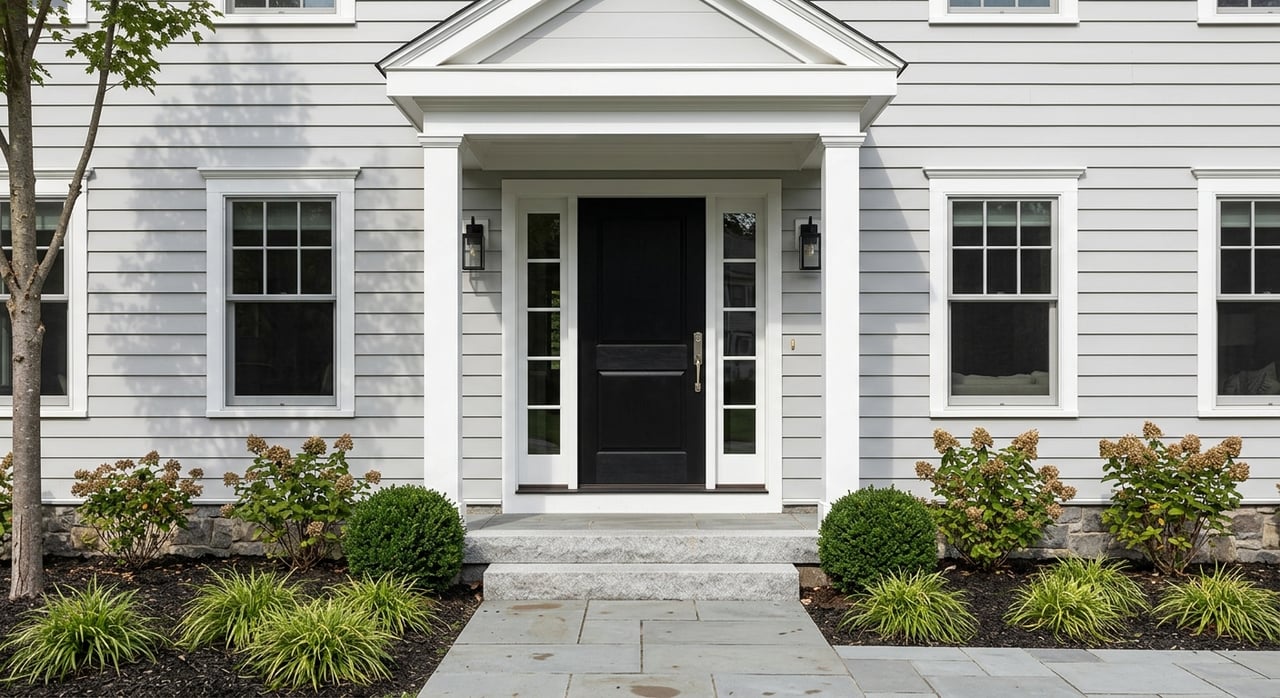
If you are thinking about buying a single-family home in Wakefield, you are not alone. This town continues to draw buyers who want a suburban setting with practical access to Boston, and that steady demand keeps the market moving. The good news is that with the right expectations, clear budget planning, and a smart offer strategy, you can approach the process with confidence. Let’s dive in.
Why Wakefield draws single-family buyers
Wakefield sits about 10 miles north of Boston near both I-93 and I-95/128, and it is also served by commuter rail. For many buyers, that combination makes it part of the core suburban search area north of the city.
If you want a town that offers a close-in location without pricing at the very top of every nearby suburb, Wakefield often lands in an appealing middle ground. Recent value benchmarks place Wakefield below some adjacent commuter towns like Melrose and Reading, while still reflecting strong demand for single-family homes.
What single-family homes cost in Wakefield
One of the first things to know is that there is no single number that tells the whole pricing story. As of spring 2026, reported benchmarks ranged from about $723,500 for ACS-based owner-occupied median value to about $827,431 for Zillow’s average home value, while Realtor.com reported a median listing price around $799,000 in March 2026.
For buyers, the most useful takeaway is to think in ranges. In practical terms, the current single-family market shows active listings spanning from roughly the mid-$700,000s to well above $2 million, depending on size, location, condition, and updates.
What the market feels like right now
Wakefield remains a competitive market for single-family homes. Realtor.com classified the town as a seller’s market, reported that homes sold for about asking price on average, and noted a median days on market of 17.
That does not necessarily mean every home turns into a bidding war. It does mean well-priced homes can move quickly, so being prepared matters. If you wait too long to tour, review disclosures, or finalize your financing documents, you may miss strong opportunities.
What kinds of homes you will find
Wakefield’s housing stock is older than many buyers expect. According to the town’s housing production plan, more than half of the housing units are single-family detached, and a large share of homes were built before 1960.
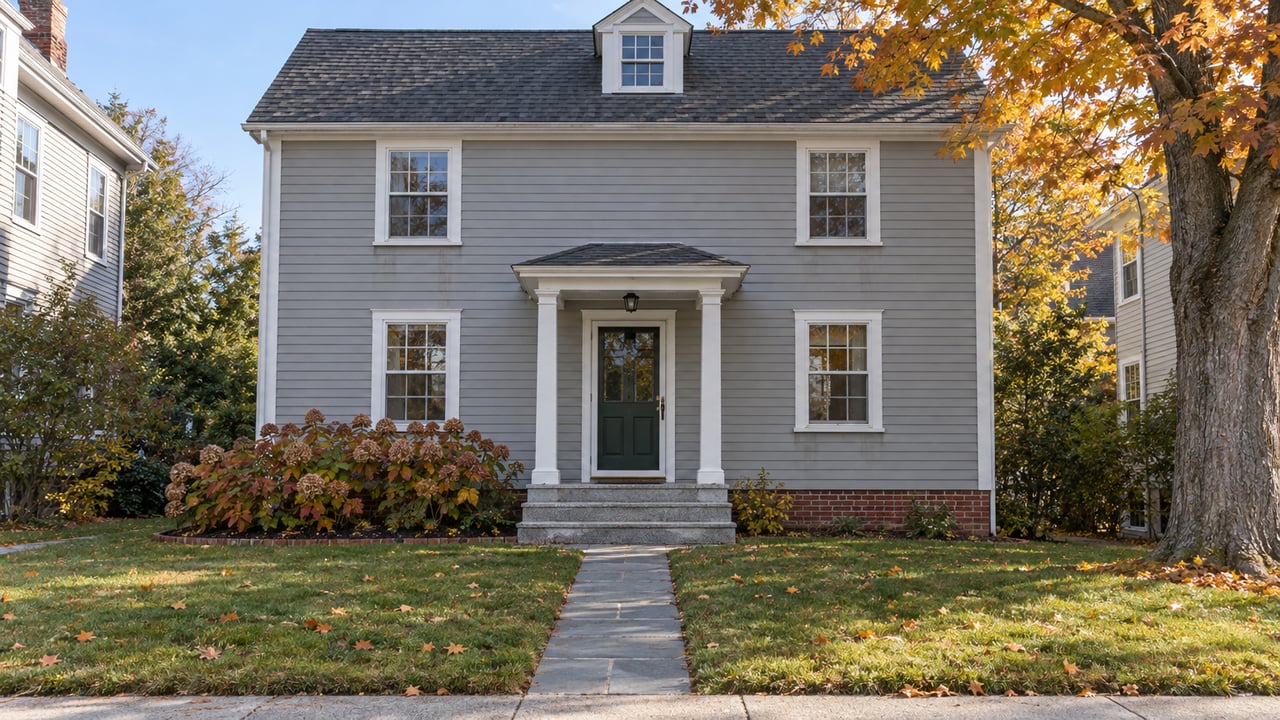
That age profile shapes the buying experience. In Wakefield, you are likely to encounter homes with classic New England character, older floor plans, and a wider range of renovation quality than you might find in newer suburban communities.
Common architectural styles
Based on Wakefield’s housing eras and Massachusetts architectural style definitions, buyers will often see:
- Colonial and Colonial Revival homes
- Capes
- Queen Anne and Victorian homes
- Ranches and expanded Ranches
Some buyers love original details and older craftsmanship. Others prefer updated kitchens, newer systems, and more open layouts. In Wakefield, you may need to balance charm, condition, and budget more carefully than in towns with a newer housing stock.
Historic considerations to keep in mind
Wakefield also has a meaningful historic layer. The town’s Historical Commission notes that many properties are listed in the National Register of Historic Places, and it documents hundreds of additional properties in the town’s cultural resources records.
That does not mean every older home comes with restrictions. It does mean you should pay close attention to the property’s history and ask questions early if you are considering major exterior changes or demolition in the future, especially since the Historical Commission maintains the town’s demolition delay bylaw.
How to budget beyond the purchase price
When you buy a single-family home in Wakefield, the sticker price is only part of the picture. You should also plan for closing costs, inspection-related expenses, moving costs, and ongoing ownership costs.
One important local number is the property tax rate. Wakefield’s FY2026 residential tax rate is $11.74 per $1,000 of assessed value, and the town states that Massachusetts property valuation is based on market value as of January 1 each year.
That matters when you estimate your monthly payment and long-term carrying costs. If you are comparing homes at different price points, taxes can make a noticeable difference in affordability.
A simple budgeting checklist
Before you make an offer, it helps to map out:
- Your target purchase price range
- Your down payment amount
- Your expected monthly payment
- Estimated property taxes
- Inspection and closing costs
- Immediate repair or update needs
- Cash reserves after closing
This kind of planning helps you stay focused when a home comes on the market quickly. It also reduces the chance of stretching too far just to win a house.
Why preapproval matters in Wakefield
In a market like Wakefield, a current preapproval letter is one of the most important parts of your preparation. The Consumer Financial Protection Bureau describes preapproval as a lender’s statement that they are tentatively willing to lend to you, and sellers often require it when you submit an offer.
Preapproval letters also usually expire within 30 to 60 days. If you started your search a while ago, make sure your paperwork is still current before you begin touring seriously.
A solid preapproval does two things. First, it tells you what price range is realistic. Second, it signals to the seller that you are ready to move forward.
How to make a competitive offer
Because Wakefield is still acting like a seller’s market, the strongest offers are often the cleanest ones. In real terms, that usually means touring quickly, making decisions promptly, and avoiding unnecessary delays once you find the right fit.
That said, being competitive does not mean being reckless. You still want an offer structure that protects you while giving the seller confidence.
Offer terms buyers should understand
The CFPB recommends making an offer contingent on financing and a satisfactory inspection. It also explains that earnest money is a good-faith deposit and that inspection contingencies can allow you to negotiate repairs or cancel without penalty if the results are not satisfactory.
Key pieces of an offer may include:
- Purchase price
- Earnest money deposit
- Financing contingency
- Inspection contingency
- Requested closing date
- Any limited requests for seller cooperation
In Wakefield, the right combination matters as much as the headline price. A clean timeline and clear documentation can make your offer more appealing.
What to know about inspections on older homes
Because so much of Wakefield’s housing stock is older, inspections are especially important. Even well-maintained homes can reveal aging systems, deferred maintenance, or improvements completed over different decades.
An inspection helps you understand the true condition of the property before you move too far forward. It can also shape your next decision, whether that means moving ahead confidently, requesting a repair credit, or deciding the home is not the right fit.
For buyers focused on older Colonials, Capes, Victorians, or Ranches, inspections can be one of the most valuable steps in the process. They help you see beyond staging and understand what ownership may really involve.
Can buyers ask for concessions?
Yes, but expectations should stay realistic. Nationally, seller concessions are common in some markets, but Boston was reported among the metros with the lowest concession rates.
In Wakefield, that usually means broad price cuts are less common on desirable single-family homes, especially if the property is newly listed and priced well. More realistic asks may include a repair credit, help with some closing costs, or flexibility on the closing date, particularly if a home has sat on the market longer or the inspection uncovers issues.
When concession requests make sense
You may have the strongest case for concessions when:
- The home has been on the market longer than expected
- Inspection findings reveal needed repairs
- The seller values a specific closing timeline
- The listing has already gone through price adjustments
The key is to keep requests grounded in the property and the market. In a competitive town like Wakefield, targeted and reasonable asks tend to be more effective than aggressive ones.
How to shop smart in Wakefield
If you want to buy well in this market, speed and discipline need to work together. You do not want to rush into the wrong home, but you also cannot treat every listing like it will wait around.
A smart Wakefield buyer usually has financing lined up, a clear wish list, and a realistic view of tradeoffs. You may need to choose between a more updated interior, a larger lot, a higher price point, or a home with character that needs work.
Focus on your top priorities
Before you start touring, decide what matters most to you:
- Home style and overall layout
- Level of updates and condition
- Budget ceiling and monthly comfort level
- Yard size and exterior upkeep needs
- Commute considerations
- Flexibility for future renovations
When you know your priorities, it becomes much easier to act quickly without feeling scattered. That clarity is often what separates a confident purchase from a stressful one.
The Wakefield bottom line
Buying a single-family home in Wakefield means entering a market that is active, competitive, and shaped by older housing stock. You will likely see a mix of classic home styles, price points that reflect strong demand, and listings that reward prepared buyers.
If you go in with a current preapproval, a realistic budget, and a clear offer strategy, you will be in a much stronger position. Wakefield can offer real long-term value for buyers who understand the market and move thoughtfully when the right home appears.
If you are planning your search in Wakefield or nearby North Shore suburbs, Leeman & Gately can help you navigate the local market with clear guidance and a high-touch approach.
FAQs
What is the typical price range for a single-family home in Wakefield, MA?
- As of spring 2026, Wakefield pricing is best viewed as a range, with reported benchmarks from about $723,500 to $827,431, and active single-family listings around March 2026 clustering from roughly $749,900 to $2.375 million.
Is Wakefield, MA a buyer’s market or seller’s market for single-family homes?
- Wakefield has been reported as a seller’s market, with homes selling for about asking price on average and a median days on market of 17.
Are Wakefield, MA homes older than buyers expect?
- Yes. The town’s housing data shows that a large share of homes were built before 1960, including many built before 1940, so older systems and varied renovation history are common.
What home styles are common in Wakefield, MA?
- Buyers are likely to encounter Colonial and Colonial Revival homes, Capes, Queen Anne and Victorian homes, and Ranch or expanded Ranch properties.
How important is preapproval when buying in Wakefield, MA?
- Preapproval is very important because sellers often expect it, and it helps show that you are ready to move quickly in a competitive market.
Can buyers ask for seller concessions on a Wakefield, MA home?
- Yes, but requests usually need to be realistic. In this market, repair credits, closing-cost help, or flexible timing may be more achievable than large price reductions.