If you have ever driven across Melrose and thought, "These blocks feel surprisingly different," you are not imagining it. In a city that covers just 4.76 square miles, daily life can shift quickly from walkable Main Street errands to quieter residential streets near ponds, parks, and the Middlesex Fells. If you are trying to decide where you might feel most at home, understanding those patterns can make your home search much clearer. Let’s dive in.
Why Melrose Feels Distinct Block by Block
Melrose has a compact, mostly residential layout with a downtown core, a rail corridor, and a green edge. City planning materials describe it as a streetcar-suburb pattern, which helps explain why walking, biking, and transit are practical in many parts of town.
That shape matters in everyday life. In some areas, you can walk to coffee, the train, or personal services. In others, your routine may center more on neighborhood streets, pond views, trail access, or a quieter residential setting.
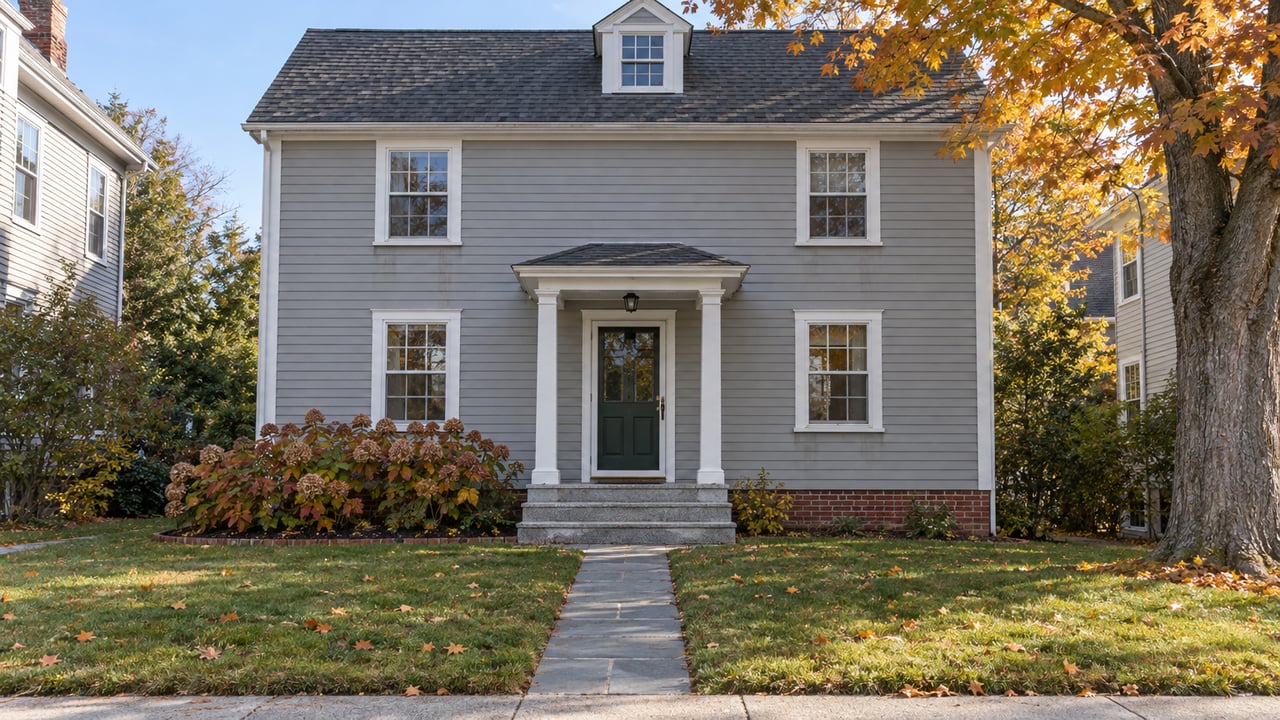
The city also has deep housing history. Melrose notes that many homes reflect Victorian architecture, and roughly 40% of homes were built before 1900. As you move through town, that older housing stock, along with lot size and building type, helps shape each area’s feel.
Melrose’s Overall Daily-Life Pattern
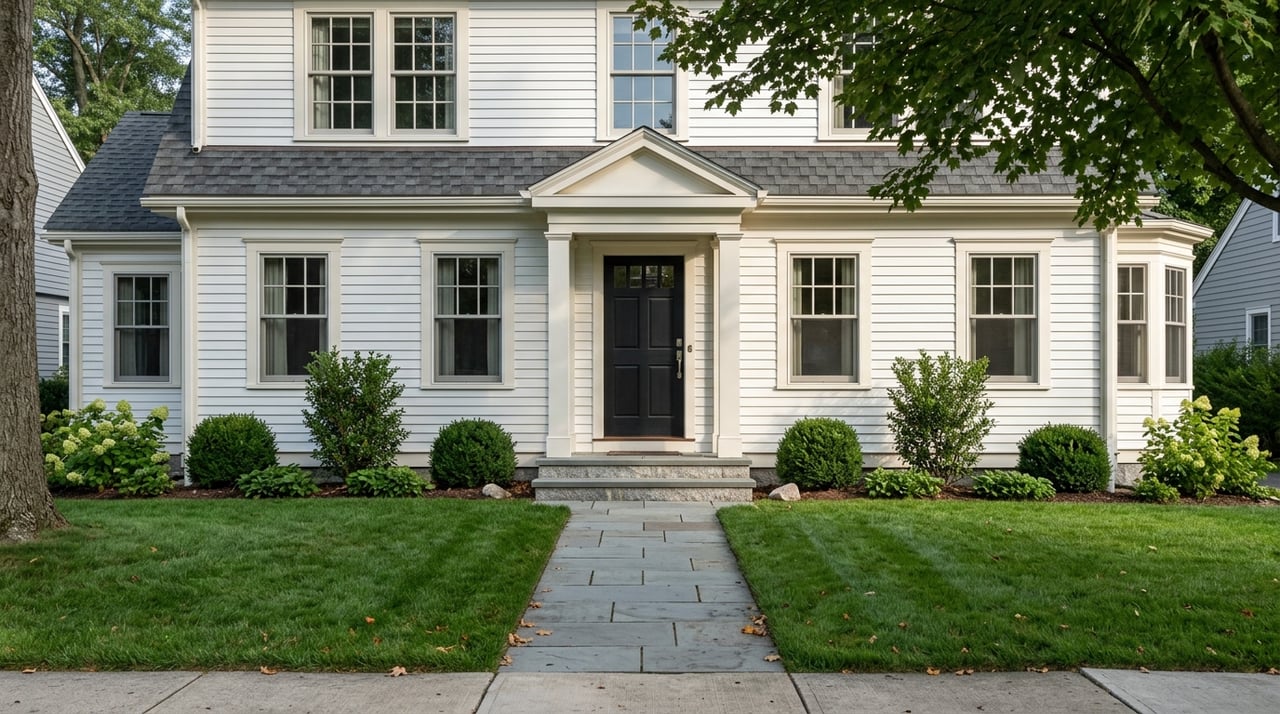
Across the city, housing is not one-size-fits-all. Planning materials show that single-family homes appear in virtually all parts of Melrose, while two-, three-, and four-family homes are more common in some residential and neighborhood-business districts, especially closer to the rail corridor.
In practical terms, that means rail-adjacent areas often feel a bit denser and more mixed. The outer parts of the city tend to read as more purely residential, with daily routines shaped less by storefronts and more by home, parks, and nearby open space.
Open space is a big part of Melrose life, too. The city says nearly 60% of land is residential, while 26% is greenbelt, including the Middlesex Fells Reservation, Mount Hood Memorial Park and Golf Facility, and pond areas around Swains, Ell, and Towners Ponds.
Downtown, Main Street, and Cedar Park
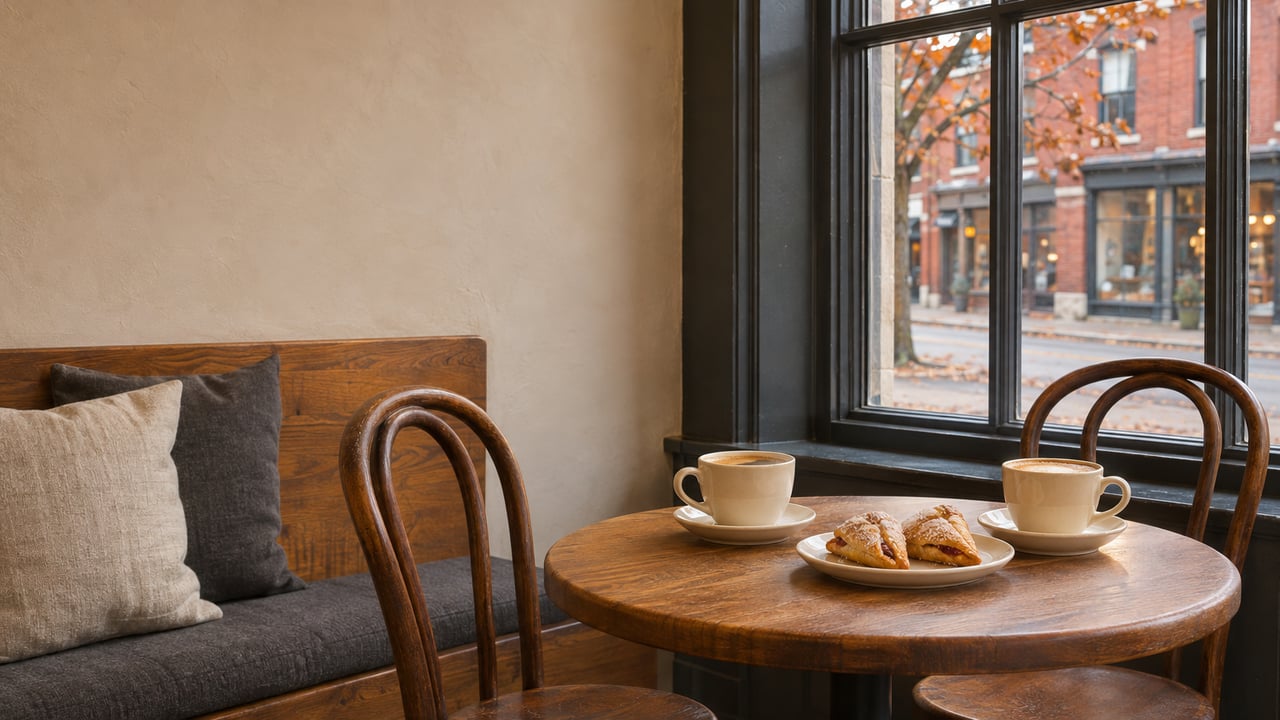
If your ideal routine includes doing more on foot, downtown Melrose is the clearest fit. The area around Main Street functions as the city’s central hub, with dining, shopping, and personal services within a short walk.
This is also one of the easiest places in town for a car-light lifestyle. The city says Cedar Park Station is about a five-minute walk from City Hall, and downtown also benefits from a municipal parking structure and lot system, with a parking study finding excess parking at most times of day.
Housing here often feels older and more urban in scale than in other parts of Melrose. Near the rail corridor and downtown blocks, you are more likely to see older homes, smaller lots, and a mix of residential and mixed-use development.
For many buyers, the appeal is simple: errands are easier, transit is close, and the rhythm of daily life feels connected. If you want the strongest blend of walkability and convenience, this pocket stands out.
Melrose Highlands and Ward 1
Ward 1, also known as Melrose Highlands, sits in the northwest portion of the city. It is more residential than commercial, so daily life here tends to revolve around neighborhood streets, commuter-rail access, and the routines of home.
Compared with downtown, this area generally feels quieter and less retail-focused. You may still benefit from strong regional access, but the day-to-day experience is more about residential surroundings than walking out your door to a cluster of shops or restaurants.
For buyers who want a classic Melrose neighborhood feel with train access still in the picture, Melrose Highlands often makes sense. It offers a useful middle ground between connection and calm.
West Wyoming, West Foster, and Ward 3
Ward 3 includes the neighborhoods around West Wyoming Avenue and West Foster Street. It forms a central-west residential band between the Highlands and the downtown core.
That location gives this area a practical advantage. It tends to feel quieter than Main Street while still keeping you fairly close to central Melrose conveniences.
If you want a residential setting without feeling far removed from the center of town, this pocket is worth attention. It often appeals to buyers looking for balance rather than extremes.
Ell Pond and Ward 4
Ward 4 is roughly between Ell Pond and Bellevue Golf Course, and this part of Melrose has a strong connection to green space. Ell Pond Park is a 19.1-acre active-and-passive recreational facility, and the city places the pond area just north of downtown.
That combination can shape daily life in a very specific way. You are close to the center of town, but you also have easy access to recreation and green views that can make the area feel more open.
For buyers who want both convenience and outdoor access, the Ell Pond pocket often feels like a smart compromise. You are not giving up proximity to downtown, but your surroundings may feel a bit more park-oriented.
Oak Grove, Middlesex Fells, and Ward 5
Ward 5 covers the southwest portion of Melrose around Oak Grove and the Middlesex Fells. This is one of the most transit-and-nature-oriented parts of the city.
Oak Grove sits at the Melrose and Malden border as the Orange Line terminus, while the Middlesex Fells provides extensive space for hiking, biking, and dog-walking. For many people, that creates a rare mix of Boston access and immediate outdoor recreation.
If your routine includes transit commuting, weekend trail time, or simply wanting open space close by, this area offers a strong lifestyle match. It can feel especially appealing if you want suburban housing without losing a direct connection to the city.
Mount Hood, Swains Pond, and Southern Melrose
Ward 6 runs roughly between Main Street and Mount Hood, while Ward 7 covers the southern portion between Swains Pond and Main Street. These areas are generally more residential and less retail-dense than downtown.
Their daily-life appeal comes from proximity to open space. Mount Hood Memorial Park and Golf Course, along with the city’s pond-and-greenbelt network, gives these neighborhoods a more edge-of-town, outdoor-oriented feel.
For some buyers, that means a calmer everyday setting. You may trade some walk-to-errand convenience for a stronger sense of residential rhythm and closeness to larger green areas.
How to Match a Melrose Area to Your Routine
The best part of Melrose is that there is no single "right" pocket. The better question is how you want your normal week to work.
If you want to walk to errands, restaurants, and commuter rail most easily, downtown, Main Street, and Cedar Park are the strongest match. If you want a residential setting with good train access and a traditional neighborhood pattern, Melrose Highlands and the West Wyoming or West Foster area are strong options.
If parks, trails, and green surroundings are high on your list, Oak Grove and the Middlesex Fells, along with the Mount Hood and Swains Pond edges, may fit better. If you want recreation near downtown, Ell Pond offers a compelling middle path.
Transit Matters More Than You Might Think
One of Melrose’s biggest advantages is how much transit can shape your options. The city says Melrose has three Haverhill Line commuter-rail stops, plus Oak Grove on the Orange Line.
The city also lists MBTA bus routes 131, 132, and 137, and it highlights walking, bicycling, commuter rail, and bus service as part of how the community functions. That transportation mix helps explain why two homes in the same city can support very different routines.
For buyers coming from Boston or nearby suburbs, this can be a major quality-of-life factor. Depending on where you land, your day may center on walkability, rail access, road access, or direct connections to open space.
Why Local Guidance Helps in Melrose
Because Melrose changes quickly from block to block, broad descriptions only go so far. A home near downtown and a home near the Fells can offer very different daily rhythms, even if the drive between them is short.
That is why neighborhood context matters just as much as square footage or bedroom count. When you understand how each part of Melrose functions day to day, you can focus your search on the lifestyle fit, not just the listing details.
If you are thinking about buying or selling in Melrose, working with a team that knows how these small location differences affect daily life can save you time and help you make a more confident move. To talk through your goals, connect with Leeman & Gately.
FAQs
What is daily life like near downtown Melrose?
- Daily life near downtown Melrose is usually the most walkable in the city, with easier access to Main Street businesses, personal services, dining, and Cedar Park commuter rail.
Which part of Melrose feels most residential?
- Several areas feel strongly residential, including Melrose Highlands, Ward 3 around West Wyoming and West Foster, and the southern sections near Mount Hood and Swains Pond.
What area of Melrose is best for transit access?
- Downtown and Cedar Park are strong for commuter rail access, while Ward 5 around Oak Grove stands out for Orange Line access and connections toward Boston.
Which Melrose areas are closest to parks and open space?
- Ward 4 near Ell Pond, Ward 5 near the Middlesex Fells, and the areas around Mount Hood and Swains Pond are all closely tied to parks, ponds, and greenbelt land.
Does Melrose have different housing patterns by area?
- Yes. City planning materials show single-family homes across Melrose, with more multifamily and mixed-use patterns near the rail corridor and more purely residential feel toward the city’s edges.