Wondering whether Malden feels more like a city, a suburb, or a bit of both? If you are thinking about moving here, that question usually comes up fast. The good news is that Malden offers a distinct mix of transit access, neighborhood variety, older housing stock, and everyday convenience that appeals to many buyers and renters. Here’s what it’s really like to live in Malden, MA, and what you may want to keep in mind as you explore the area.
Malden at a Glance
Malden is about five miles northwest of Boston, and it tends to feel more urban than many nearby suburbs. The city’s 2025 Census profile estimates 66,370 residents living within 5.04 square miles, which creates a density of about 13,137 people per square mile.
That density shapes daily life. You are more likely to experience Malden as a transit-oriented, active community with a mix of commercial areas, apartments, multifamily homes, and established residential streets rather than a low-density suburb with long drives between errands.
The city is also notably diverse. Current city data says 41.2% of residents are foreign-born, and 50.9% of residents age 5 and older speak a language other than English at home.
Malden also skews relatively young. According to the city’s 2024 nexus study, the average resident age is 35.4, and Millennials in their 20s and 30s make up the largest age group.
What the Lifestyle Feels Like
Urban convenience with neighborhood character
One of Malden’s biggest draws is that it gives you access to urban-style convenience without placing you in the center of Boston. The city describes itself as offering both urban convenience and neighborhood charm, and that is a useful way to think about daily life here.
Instead of one oversized downtown dominating everything, Malden functions through a series of neighborhood areas and commercial nodes. That can make the city feel more personal and easier to navigate once you learn where you like to shop, dine, commute, and spend time outdoors.
A community with many backgrounds
Malden’s resident mix is part of what gives it energy. With a large foreign-born population and many households speaking languages other than English at home, the city reflects a broad range of cultures and day-to-day experiences.
For you, that may show up in the local food scene, the rhythm of neighborhood business districts, and the overall sense that Malden is active and evolving. It is one of the reasons the city often feels more dynamic than quieter nearby suburbs.
Getting Around in Malden
Public transit is a major advantage
If commute options matter to you, Malden stands out. The city’s Transit Action Plan says 28% of residents commute by public transit, and 94% live within a quarter mile of a bus stop.
The city also notes that Malden has two MBTA Orange Line stations, commuter rail connections, and 13 bus routes. Existing transit service provides direct rides to 16 communities, which helps explain why Malden is often seen as a strong option for people who want easier access to Boston and surrounding areas.
Malden Center is especially important to the city’s identity. The city describes it as the busiest non-Boston station, and it continues to be a focus for transit-oriented development.
Car-light living is realistic
Malden can work well if you want to rely less on a car. In addition to rail and bus service, the city is part of Bluebikes, giving residents another option for shorter local trips.
The Northern Strand Community Trail also runs through Malden. This shared-use path stretches nine miles and connects Malden with Everett, Revere, Saugus, and Lynn, making it useful for both recreation and everyday biking or walking.
Driving is still manageable
Even though Malden is transit-first in many ways, you are not giving up driving entirely. Downtown offers garages, meters, and merchant validation, so parking is still part of the daily mix.
That balance is part of Malden’s appeal. You can often choose the transportation mode that fits your day instead of relying on just one.
Neighborhood Life and Daily Errands
Smaller hubs shape daily routines
Malden’s daily life often centers on neighborhood business districts rather than a single main street. Maplewood Square, for example, is described by the city as the heart of Maplewood, with many shops and restaurants plus bus connections to the Orange Line.
Downtown Malden also plays a major role, with restaurants, entertainment options, and multiple parking garages. Together, these areas help create a mixed-use environment where errands, dining, and commuting often happen close together.
The city is investing in how streets work
Malden is actively redesigning key corridors, including Broadway/Route 99, Eastern Avenue/Route 60, and Malden Center, as multimodal areas. That matters because it reflects the city’s broader direction.
For residents, those updates can support a more walkable and connected experience over time. If you value places where streets are designed for more than just car traffic, Malden may feel like a good fit.
Parks and Outdoor Space
Green space is part of everyday life
Even with its density, Malden includes meaningful outdoor space. The city says there are about 30 park sites, which gives residents a range of places to walk, relax, and spend time outside.
Two notable examples are Pine Banks Park and Fellsmere Park. Pine Banks Park is a 107.5-acre shared park with Melrose, while Fellsmere Park is a historic park dating to 1893 with a walking path, pond, fountain, grass, and wooded areas.
Trails add another layer
The Northern Strand Community Trail is not just transportation infrastructure. It also functions as a recreation corridor that many residents use for walking and biking.
If you want access to outdoor activity without leaving the city, that is a real advantage. It adds breathing room to a place that otherwise feels fairly built up.
Housing in Malden
Expect a varied but older housing stock
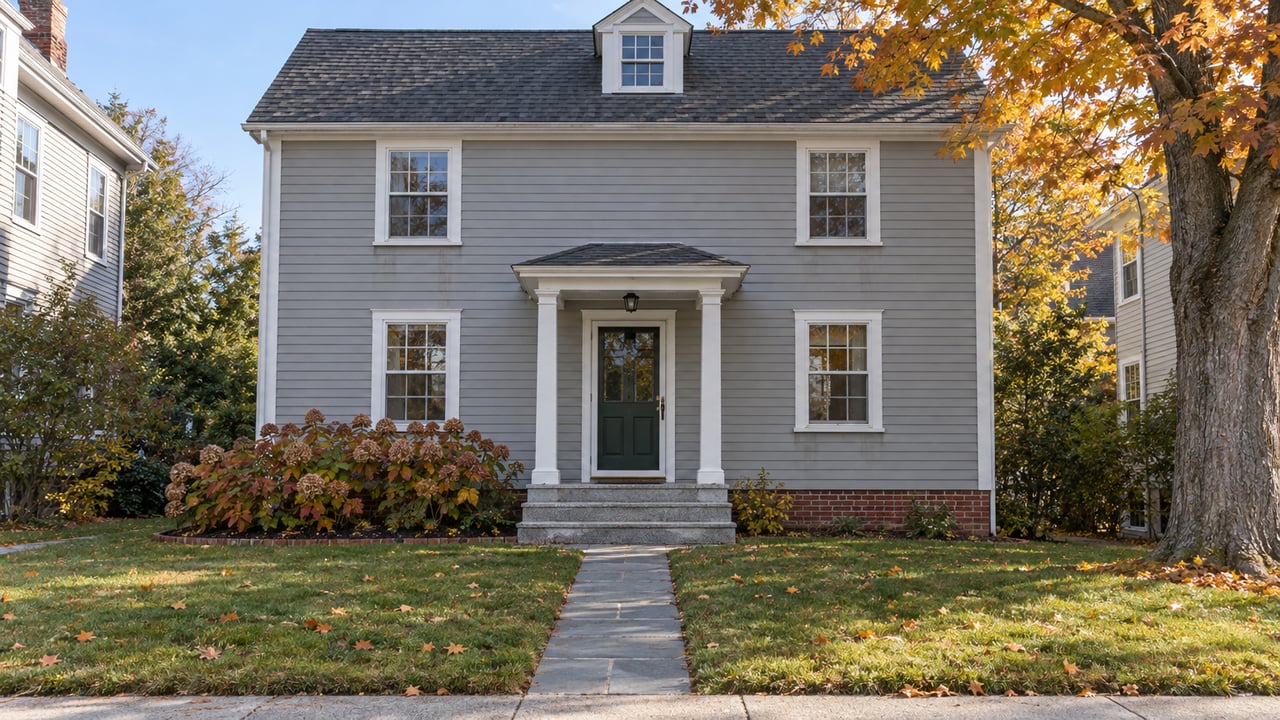
Malden’s housing stock is mixed, though much of it is older. The city’s housing needs assessment says more than half of the housing units were built before 1940.
You will find single-family homes, two-family homes, and larger multifamily buildings throughout the city. At the same time, city planning documents note there are relatively few mid-size buildings with 3 to 9 units, which helps shape the kinds of choices available.
Newer development tends to be concentrated
Recent development has been more concentrated around Malden Center and the former Rowe’s Quarry area. That means if you are specifically looking for newer housing, those areas may be worth watching more closely.
Elsewhere in the city, older homes and denser residential patterns are more common. For some buyers, that mix offers character and location benefits. For others, it may mean weighing updates, layout preferences, and maintenance needs.
Malden is a renter-majority market
Malden is consistently described as a renter-majority city. The 2024 nexus study says 57% of occupied units were renter-occupied in 2022, while the current Census profile shows a 41.3% owner-occupied rate.
That renter-heavy profile is part of what makes Malden feel different from some nearby communities. It often attracts people who want transit access and a more accessible entry point into the Greater Boston market.
Cost and Market Pressure
Housing costs are still a key factor
While Malden is often viewed as relatively more accessible than some nearby suburbs, that does not mean it is inexpensive. The current Census profile lists median gross rent at $2,204.
The city’s 2024 nexus study also found that 40% of occupied housing units were cost-burdened in 2022, and 53% of renters were cost-burdened. Those numbers suggest that affordability remains a real issue for many households.
Why buyers still consider Malden
The same nexus study describes Malden as a stepping-stone market for young professionals because of its transit access and relative affordability within Greater Boston. In practical terms, that means many people see Malden as a place where they can stay connected to Boston while gaining more housing options than they may find in core urban neighborhoods.
If you are comparing trade-offs, that framing is helpful. You may get strong transit access and a lively day-to-day environment, but you should still be prepared for a competitive and cost-sensitive market.
How Malden Compares to Nearby Suburbs
More urban than Medford and Melrose
Compared with nearby suburbs, Malden generally reads as the more urban and transit-first choice. The research shows Medford has a population density of 7,365.3 people per square mile, well below Malden’s 13,137.
Melrose is also described in city materials as predominantly residential. That makes Malden the denser, more mixed-use option among the three.
More renter-heavy and comparatively accessible
The ownership mix also looks different. Medford’s latest Census profile shows a 54.1% owner-occupied rate, and a MAPC profile places Melrose at about 63% owner-occupied, both notably above Malden’s 41.3% owner-occupied rate.
Income data points in the same direction. Medford’s median household income is listed at $129,540 and Melrose’s at $133,953, compared with Malden’s $100,606, which helps explain why Malden is often seen as a comparatively accessible commuter market in this group.
Who Might Enjoy Living in Malden
Malden may be a strong fit if you want a location with frequent transit, a more urban pace, and neighborhood variety. It can also appeal if you like older housing stock, mixed-use areas, and the ability to combine commuting, errands, and recreation without depending entirely on a car.
At the same time, Malden may feel less ideal if your top priority is a quieter, lower-density suburban setting. Buyers who want larger lots, a more residential streetscape, or a more owner-occupied environment may find themselves comparing Malden with nearby communities to see which lifestyle fits best.
Final Thoughts on Living in Malden
Living in Malden means stepping into a city that is connected, active, and shaped by both transit and neighborhood identity. You get a denser Greater Boston setting with parks, local commercial hubs, and a housing mix that ranges from older single-family homes to multifamily buildings and newer development near transit.
If you are weighing Malden against Melrose, Medford, or other nearby communities, the best choice usually comes down to lifestyle. The feel of the streets, the ease of your commute, the type of home you want, and your comfort with a more urban rhythm all matter. If you want help comparing local options and finding the right fit, Leeman & Gately can guide you through the process.
FAQs
What is Malden, MA like for commuting?
- Malden is one of the stronger transit locations north of Boston, with two MBTA Orange Line stations, commuter rail connections, 13 bus routes, and 94% of residents living within a quarter mile of a bus stop.
Is Malden, MA more urban or suburban?
- Malden generally feels more urban than many nearby suburbs because of its density, transit access, mixed-use areas, and renter-majority housing profile.
What kind of housing is common in Malden, MA?
- Malden has a varied housing stock that includes single-family homes, two-family homes, and larger multifamily buildings, and more than half of its housing units were built before 1940.
Does Malden, MA have parks and outdoor space?
- Yes. The city says it has about 30 park sites, including Pine Banks Park and Fellsmere Park, plus the Northern Strand Community Trail for walking and biking.
Is Malden, MA a good fit if you want to live without a car?
- For many residents, yes. Malden offers strong public transit access, Bluebikes, and the Northern Strand trail, which can make car-light living more realistic than in many nearby suburbs.